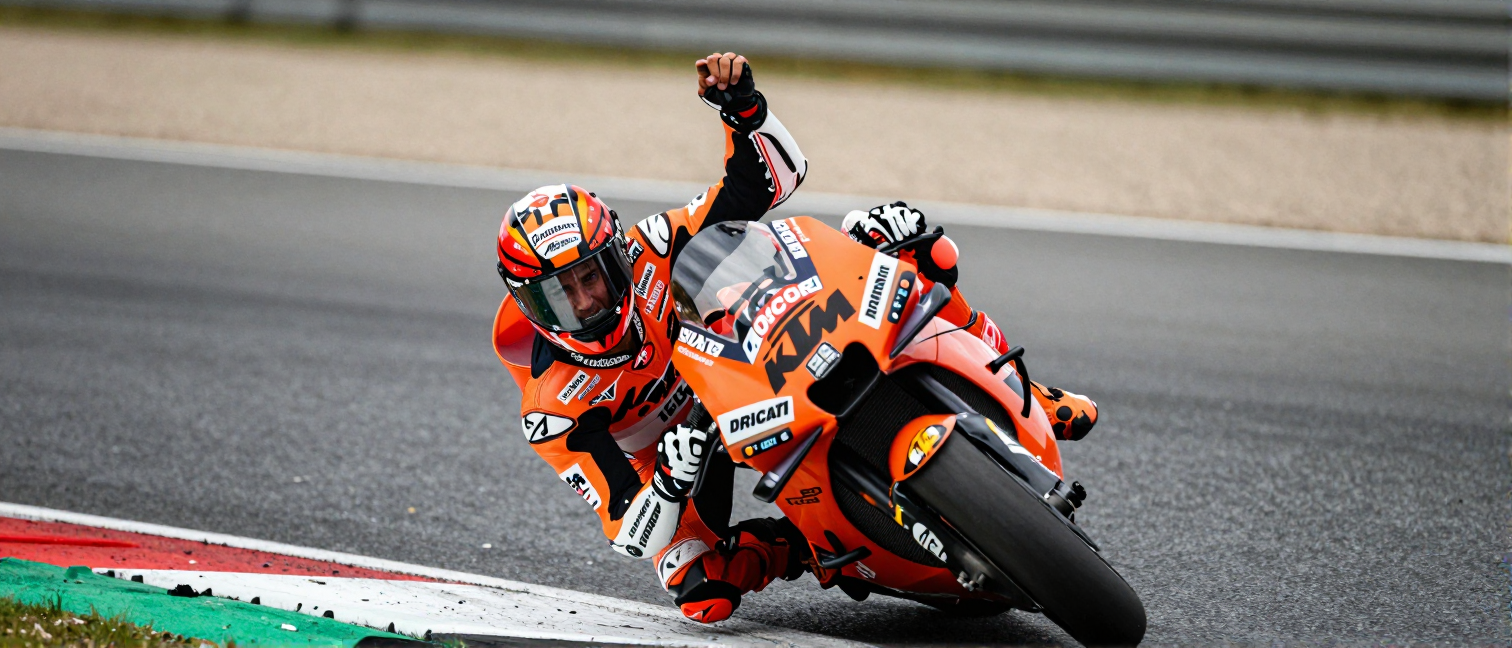
Alex Márquez announced on 10 July 2026 that he will join the KTM works team for 2027, after Ducati turned its attention to rising star Pedro Acosta. The Spaniard, currently ninth in the MotoGP standings, will ride the sole Gresini entry at the Sachsenring GP.
Why did Alex Márquez leave Ducati?
Márquez told reporters the lack of a factory seat at Ducati was the breaking point. “They were fully focused on signing Pedro,” he explained, noting that the Italian marque sees the 19‑year‑old as the future champion. At 30, Márquez felt the window for a factory ride was closing, so he pursued a contract that guaranteed full factory support.
How does the KTM move shape his 2027 campaign?
The KTM deal was signed months ago, ahead of the new Concorde Agreement. Márquez highlighted the appeal of a stable bike platform: “Last year the bike could be completely different from the first race to the third. That’s why a factory team mattered to me.” He will reunite with former Gresini teammate Fabio Di Giannantonio, now also a KTM rider, giving the pair a familiar working relationship.
What does the Sachsenring test reveal?
After missing three rounds due to a Barcelona crash, Márquez returned at Assen and finished fifth. At the Sachsenring, he entered the race with a healed fracture and said, “The bone has fully healed, so I can take more risks this weekend and ride as normal.” The circuit’s smoother flow suits his style; unlike Assen’s rapid direction changes, the Sachsenring lets him conserve power without aggressive braking.
What does this mean for Gresini and the grid?
With teammate Fermín Aldeguer sidelined by a fractured thoracic vertebra, Gresini will field only Márquez in Germany. The team chose not to replace Aldeguer before the summer break, leaving Márquez as the lone Gresini rider. His consistent podium finishes at the Sachsenring over the past two years add pressure to deliver a strong result despite the reduced lineup.
How will rivals react?
Ducati’s focus on Acosta signals a shift toward younger talent, leaving seasoned riders like Márquez to seek opportunities elsewhere. KTM’s confidence in Márquez’s experience could force other manufacturers to reassess their rider strategies as the 2027 season approaches.
The move underscores a broader trend in MotoGP: factory teams prioritising long‑term prospects while seasoned competitors chase immediate factory backing. Márquez’s decision to join KTM reflects both personal ambition and the evolving dynamics of the premier class.